Airport Paving in Los Angeles, CA
Airport paving services encompass the installation, repair, and maintenance of paved surfaces used for airport runways, taxiways, and aprons. These projects typically involve large-scale asphalt or concrete paving to ensure smooth, durable surfaces capable of supporting the weight and traffic of aircraft operations. Homeowners and property owners may request airport paving services for private airstrips, helipads, or other specialized paved areas on their property, often requiring expert planning to meet safety and compliance standards.
Before requesting airport paving, property owners usually want to understand the scope of the project, including surface durability, material options, and the specific requirements for aircraft use. It’s important to consider factors such as drainage, surface grading, and potential future maintenance needs. Clarifying these details can help ensure the paved area meets safety standards and performs reliably over time for its intended use.
Many property owners in Los Angeles, CA look into Airport Paving for repairs, replacements, upgrades, and appearance-related improvements.
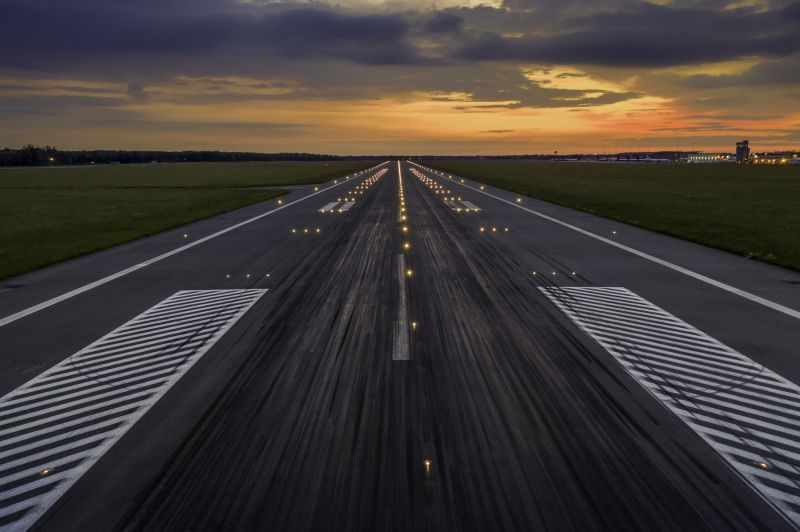
Commercial Airport Pavement
Durable surfaces designed to handle high traffic and heavy aircraft movement.
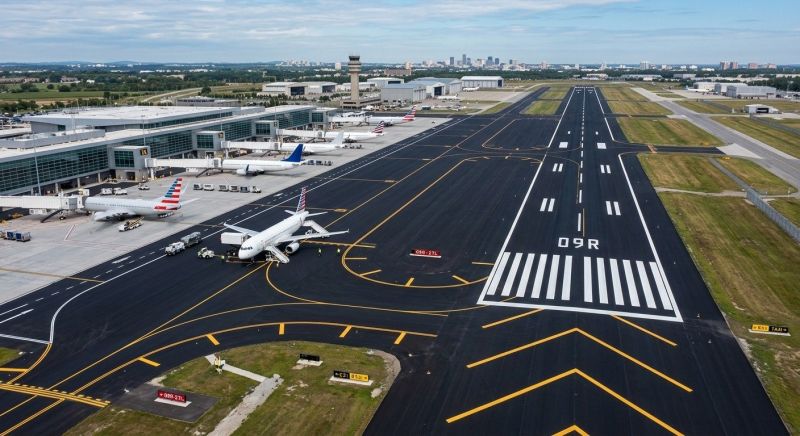
Runway And Taxiway Resurfacing
Restoring smoothness and safety to existing airport runways and taxiways.
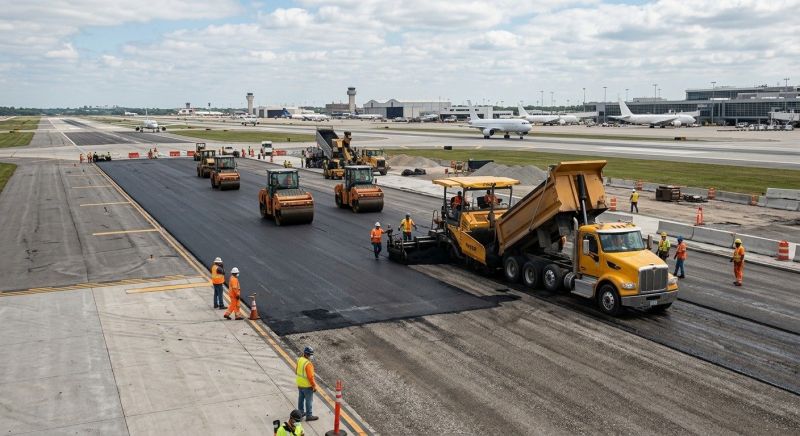
Parking Lot And Apron Paving
Creating efficient and reliable pavement for airport parking areas and aircraft aprons.
Airport Paving in Los Angeles, CA
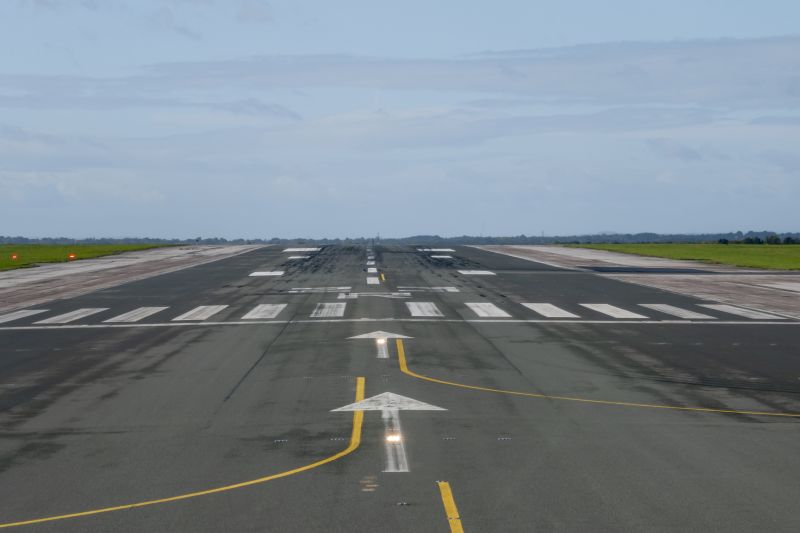
Airport paving services encompass the installation, repair, and maintenance of paved surfaces used for airport runways, taxiways, and aprons. These projects typically involve large-scale asphalt or concrete paving to ensure smooth, durable surfaces capable of supporting the weight and traffic of aircraft operations. Homeowners and property owners may request airport paving services for private airstrips, helipads, or other specialized paved areas on their property, often requiring expert planning to meet safety and compliance standards.
Before requesting airport paving, property owners usually want to understand the scope of the project, including surface durability, material options, and the specific requirements for aircraft use. It’s important to consider factors such as drainage, surface grading, and potential future maintenance needs. Clarifying these details can help ensure the paved area meets safety standards and performs reliably over time for its intended use.
Many property owners in Los Angeles, CA look into Airport Paving for repairs, replacements, upgrades, and appearance-related improvements.
Common Airport Paving Jobs
Asphalt paving - durable surfaces ideal for driveways and parking areas.
Seal coating - protects asphalt surfaces from weather damage and extends lifespan.
Repaving - replacing worn or damaged pavement to restore safety and appearance.
Crack filling - sealing cracks to prevent water infiltration and further deterioration.
Parking lot paving - creating or resurfacing large commercial or residential parking areas.
Pothole repair - fixing potholes to improve safety and prevent vehicle damage.
Airport Paving Questions
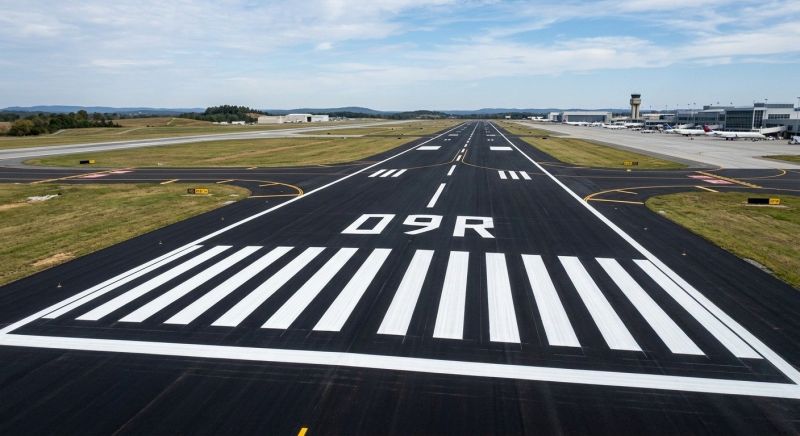
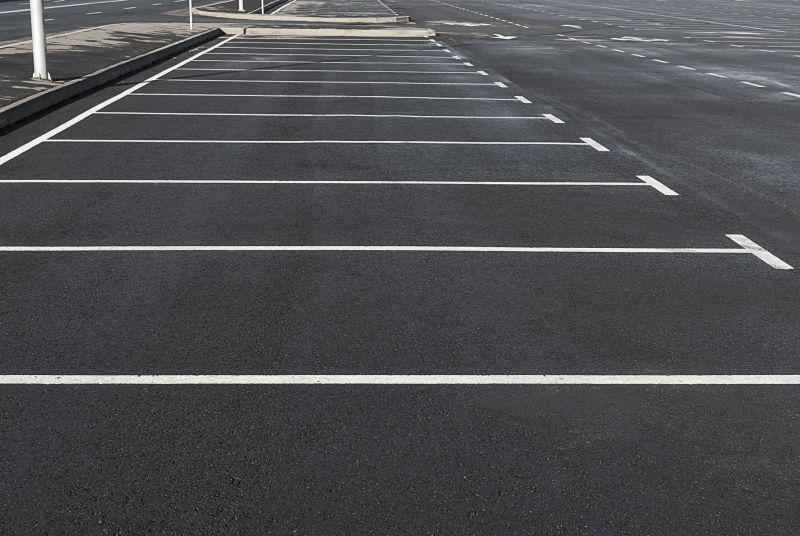
What types of surfaces can be paved for airports? Airport paving services typically include runways, taxiways, aprons, and parking areas, accommodating various operational needs.
What materials are used for airport paving projects? Common materials include asphalt and concrete, chosen for durability and suitability to airport traffic demands.
How do airport paving services handle large-scale projects? These services are equipped to manage extensive paving areas efficiently, ensuring proper surface preparation and installation.
What should property owners consider before starting an airport paving project? It’s important to evaluate the existing surface condition, project scope, and future traffic requirements for optimal results.
Request Airport Paving in Los Angeles, CA
Use the quote form on this page to share the basics of your project and request more information for the type of work you need.